How Much Does It Cost to Charge an Electric Car in South Africa?
Real rand numbers, simple calculations, and a direct comparison against petrol — so you can make an informed decision before you switch.
One of the biggest questions people ask before switching to an electric vehicle is: "How much does it actually cost to run?" The honest answer is — significantly less than petrol. But let's show you the real numbers, not just a promise.
⚡ Litres vs kWh — the key mindset shift
With a petrol car, you think in litres per 100 km. With an EV, you think in kilowatt-hours (kWh) per 100 km. That's the only new concept you need to understand — everything else works the same way.
| Vehicle type | Fuel unit | Typical usage | Cost per unit |
|---|---|---|---|
| ⛽ Petrol car | Litres per 100 km | 6–10 L/100km | ~R24.78/L |
| ⚡ Electric car | kWh per 100 km | 10–16 kWh/100km | ~R2.72/kWh (home) |
🧮 The charging cost formula
The maths is simple. To work out what it costs to fully charge an EV at home:
🚗 Real example: BYD Dolphin Surf at home
Let's run the actual numbers for South Africa's most popular budget EV:
That's under R82 for a full charge that gets you approximately 232 km. Put that in petrol terms — a VW Polo 1.0 TSI would need about 14 litres to cover 232 km, costing around R347. The EV is 4× cheaper for the same distance.
🔌 Does a faster charger cost more?
This is one of the most common misconceptions. The answer is no — when charging at home.
| Charger type | Speed | Charge time (30 kWh) | Cost (home rate) |
|---|---|---|---|
| 🔌 3-pin plug | 2.4 kW | ~12–15 hours | R81.82 |
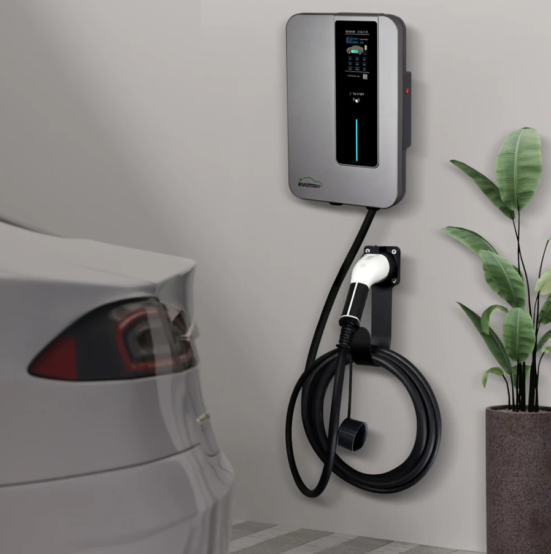
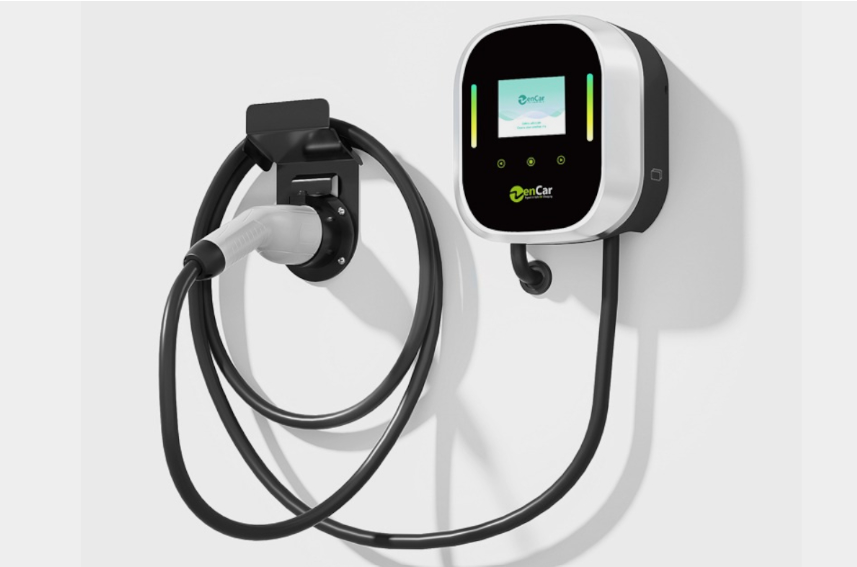
| 🏠 Wall box (7.4 kW) | 7.4 kW | ~4–5 hours | R81.82 |
📡 What about public charging?
Public DC fast chargers are more expensive because network operators (Rubicon, Chargify, Gridcar) add a service fee on top of the electricity cost. Always factor this into your budget if you rely on public charging.
📊 Monthly cost comparison — petrol vs EV
Let's run a real head-to-head comparison for a typical South African commuter driving 1 800 km per month.
⛽ Petrol car: VW Polo 1.0 TSI
⚡ Electric car: Geely E2 — Home charging
📡 Electric car: Geely E2 — Public charging only
💰 Side-by-side monthly comparison
| Scenario | Monthly cost | You save vs petrol |
|---|---|---|
| ⛽ VW Polo 1.0 TSI (petrol) | R2 676 | — |
| ⚡ Geely E2 — home charging Best value | R592 | R2 084/month ✓ |
| 🏢 Geely E2 — public charging only | R1 525 | R1 151/month ✓ |
☀️ Do you need solar to own an EV?
No — you do not need solar to benefit from an EV. Solar adds value if you can afford the upfront cost, but it is not a requirement.
- Lower electricity cost per kWh
- Potential for near-free charging
- Charges during load shedding
- Long-term savings increase
- Still saves R2 000+/month vs petrol
- Municipal electricity is cheap enough
- No extra installation cost needed
- Works fine for most South Africans
🔋 Good EV charging habits
An EV doesn't work like a petrol car — you don't "fill up" when it's empty. Here's what to do and what to avoid:
- Charge between 20% and 80% daily
- Plug in overnight when electricity is cheapest
- Only charge to 100% before long trips
- Use public charging as backup
- Waiting until the battery hits 0%
- Leaving on DC fast charge when full
- Charging to 100% every single day
- Relying only on public chargers
⚡ What about load shedding?
South Africa has now been 300+ consecutive days without load shedding as of mid-2026 — making home EV charging more reliable than ever. But if load shedding does return:
✅ Final verdict — is it worth it?
The numbers speak for themselves. Based on 1 800 km/month driving in Gauteng:
🔧 Try it yourself
The numbers above are based on real SA prices and typical usage. Use our free calculators to run your own numbers with your car, your province and your driving habits:
Enter your driving distance, electricity rate and current car — and see your exact monthly saving in rand.
📌 Disclaimer: Petrol prices based on SA inland 95 ULP June 2026 (R24.78/L). Electricity rates based on 2025/26 NERSA-approved Gauteng municipal average (R2.72/kWh). Public charging rate based on Rubicon/Chargify typical 2026 pricing (~R7.00/kWh). EV consumption figures based on manufacturer WLTP data. Real-world results vary. This article is for guidance only. | LetsChargeSA · Updated June 2026