How to Finance an EV in South Africa: Cash, Finance, Balloon & GFV Explained — LetsChargeSA
LetsChargeSA · Beginner's Guide · 2026
How to Finance an EV in South Africa: Cash, Straight Finance, Balloon & GFV Explained
Four ways to pay for your EV. Real rand numbers using the Geely E2 Apex. The honest pros and cons — and the question you must ask yourself before signing anything.
📅 June 2026⏱ 7 min read✍️ ChargoEV · LetsChargeSA🔰 Beginner's Guide Series
⚠️ Important note: I am not a financial adviser. Everything in this article is for educational purposes only — to show you what the options are so you can have an informed conversation with your bank or dealer. Please speak to a qualified financial adviser before making any finance decision.
Buying a car is one of the biggest financial decisions most of us make. And yet most people spend more time choosing their car's colour than understanding how they're going to pay for it. This article changes that.
We're going to walk through all four ways to pay for a car in South Africa — using the Geely E2 Apex at R389,900 as our real-world example. By the end, you'll understand exactly what each option means, what it costs you, and — most importantly — which one fits your actual situation.
🔑
The question most people skip
Before you choose a finance option, ask yourself one question: What is my purpose for buying this car? Are you buying to own it for life? To drive it for 3 years and upgrade? To minimise your monthly spend? Your answer changes everything. The same car with the same price can cost you very different amounts depending on which path you choose — and which one you understand before you sign.
💡 The four ways to pay for a car in South Africa
💵
Option 1: Cash
You pay the full price upfront. No loan. No interest. You own the car immediately.
🏦
Option 2: Straight finance
A bank loans you the money. You repay it over 48–72 months with interest. You own the car at the end.
🎈
Option 3: Finance with balloon
Like straight finance, but a portion of the car's value is deferred to the end. Lower monthly payment — but a large lump sum due at term end.
🔐
Option 4: Guaranteed Future Value (GFV)
Similar to balloon, but the end-of-term amount is guaranteed by the manufacturer. You can hand the car back, buy it, or upgrade — no risk on your side if the car depreciates.
💵 Option 1: Paying cash
Cash is the simplest option. You pay R389,900, you drive away, the car is yours. No interest. No monthly payment. No bank involved.
✅ Pros
No interest — you pay exactly the purchase price
No monthly instalment to budget for
Full ownership from day one
No risk of repossession
Negotiating power — dealers prefer cash
❌ Cons
Ties up a large amount of cash in one asset
A car is a depreciating asset — it loses value every year
That cash could potentially earn returns if invested elsewhere
Leaves you less liquid for emergencies
💡 The cash dilemma
Cash sounds like the obvious winner — but think carefully. If you have R389,900 in savings, tying it all into a car that will be worth significantly less in 5 years is worth examining. Some financially savvy people prefer to finance the car at a competitive rate and keep their cash working in a money market or investment account. That is a conversation worth having with a financial adviser — but it's worth knowing the option exists.
🏦 Option 2: Straight finance (no balloon)
The bank buys the car and you repay them in equal monthly instalments over an agreed term — typically 48, 60, or 72 months. You own the car outright when the last payment is made. There is no lump sum at the end.
⚠️ Read this before you sign
The dealership's finance desk will present you with a deal quickly. Don't be pressured into signing on the day. Ask for a copy to take home. Different banks offer different interest rates for the same buyer — Absa, Standard Bank, Nedbank, FNB and WesBank all compete for your business. The rate offered at the dealer is not always the best rate available. Shop around, or use a bond originator to get competing offers.
Finance terms — what your options are
South African vehicle finance terms are typically 48 months (4 years), 60 months (5 years), or 72 months (6 years). Shorter term = higher monthly payment but less total interest paid. Longer term = lower monthly payment but much more interest over the life of the loan.
🏦
Geely E2 Apex — Straight finance, no deposit, no balloon
R389,900 · Prime-linked rate ~12.5% (indicative) · June 2026
✅ At end of term: you own the car outright. No lump sum.Full ownership
💡 A deposit makes a real difference
Even a 10% deposit — R39,000 on this car — reduces your monthly instalment meaningfully and reduces the total interest you pay over the life of the loan. If you can put something down, it's almost always worth doing.
✅ Pros
Full ownership at the end — no lump sum
Predictable monthly payments
Good for people who want to keep the car long-term
Rate may drop if prime rate falls (on a linked rate)
❌ Cons
Highest monthly instalment of the finance options
You pay significant interest over 60–72 months
Monthly rate can rise if SARB increases prime (on linked rate)
🎈 Option 3: Finance with a balloon payment
A balloon payment is a portion of the car's value — typically 20%–40% — that is set aside and not included in your monthly repayments. You only pay interest on the balloon during the term. At the end, you owe that lump sum.
🎈
Geely E2 Apex — Finance with 30% balloon
R389,900 · 60-month term · ~12.5% interest rate (indicative)
Vehicle priceR389,900
Balloon amount (30%)R116,970
Amount financed over 60 months~R272,930
Estimated monthly instalment~R5,600 / month
⚠️ Due at end of 60 months~R116,970
That balloon buys you a lower monthly payment — about R2,300 less per month than straight 60-month finance. But you must be prepared to pay or refinance that R116,970 at the end of the term. If you can't, you lose the car and the equity you've built.
⚠️ The balloon trap
Many people take a balloon because the monthly payment looks affordable, then reach the end of their 60 months without having saved for the lump sum. If your finances aren't in good shape at that point, you have to refinance the balloon — which means more interest — or hand back the car. Rule of thumb: if you take a balloon, start saving for it from month one. Treat it like a savings goal, not a later-me problem.
✅ Pros
Significantly lower monthly payment
Keeps cash flow manageable, especially month-to-month
Gives you flexibility to save separately for the lump sum
❌ Cons
Large lump sum due at the end — with no guarantee the car is worth it
You pay more total interest (interest accrues on the balloon too)
Risk: if car depreciates more than expected, you owe more than it's worth
Easy to forget about and arrive at month 60 unprepared
🔐 Option 4: Guaranteed Future Value (GFV)
GFV looks similar to a balloon on paper — lower monthly payments with a large amount at the end. But there is one critical difference: the end-of-term amount is guaranteed by the manufacturer (in this case, Geely Finance), not just estimated.
At end of term: 3 choices — keep, upgrade, or hand backYour call
What happens at the end of your GFV term?
This is where GFV becomes interesting. At the end of your 36 or 48 months, provided you've met the mileage and condition requirements, you have three options:
🔑
Keep the car
Pay the guaranteed amount (~R175,455) in cash or refinance it. The car is yours.
🔄
Upgrade to a new car
Use the GFV as a trade-in value toward a new Geely. Start a new GFV contract. This is the smoothest option if you plan to upgrade regularly.
🚶
Hand it back and walk away
Return the car in fair condition, within mileage, and owe nothing more. This is the unique protection GFV offers over a standard balloon.
⚠️
Over mileage or poor condition?
You lose the guaranteed value protection. Excess mileage charges apply. The car must meet fair wear and tear standards.
🔐 vs 🎈 Balloon vs GFV — the key difference
Both look similar on a monthly payment sheet. Here's where they actually differ:
🎈 Standard balloon
Set % of purchase price deferred
End-of-term value estimated at sale time
If car is worth less than balloon — your problem, you still owe the balloon
You must pay or refinance to keep the car
No guaranteed hand-back option
Available from any bank
🔐 Guaranteed Future Value
End-of-term value guaranteed by manufacturer
If car depreciates below GFV — manufacturer absorbs loss
Walk-away option: hand back within mileage/condition, owe nothing
Built for people who plan to upgrade every 3–4 years
Mileage limit applies — usually 25,000–30,000 km/year
Available through Geely Finance for E2
💡 The mileage question matters a lot
If you drive a lot — say 2,500 km a month like the example in this series — you'd cover 30,000 km a year. That's right at the typical GFV limit. But if you're a low-mileage driver — say a work-from-home parent doing 1,200 km a month — you'd only cover about 14,400 km a year. GFV could be a very smart option for you, because you'll almost certainly stay within the mileage allowance and have the freedom to walk away or upgrade at term end.
📊 All four options side by side — Geely E2 Apex
Option
Monthly cost
End of term
Best for
Risk
💵 Cash
R0/month
Already own it
If you have the funds and don't want debt
Low
🏦 Straight finance (60 months)
~R7,900/month
Full ownership, no lump sum
Long-term owners who want clean exit
Low
🎈 Balloon (30%, 60 months)
~R5,600/month
~R116,970 due
Manageable monthly costs, if you save for balloon
Medium
🔐 GFV (45%, 36 months)
~R6,500–R7,200/month
Keep, upgrade or hand back
Low-mileage drivers who plan to upgrade in 3 years
Low (if within mileage)
* All finance figures are indicative estimates for illustration only. Actual rates, instalments and balloon/GFV percentages depend on your credit profile, bank, deposit and negotiated terms. Always get a formal pre-agreement quote.
🤔 The questions to ask yourself before you sign
Before you walk into a dealership, or before you tell the finance manager what you want, be honest with yourself about these:
🗓️
How long do you plan to keep this car?
5+ years → straight finance or cash. 3 years → GFV. Unsure → be careful with a balloon.
📏
How many kilometres do you drive per year?
Under 20,000 km/year → GFV works well. Over 30,000 km/year → GFV is risky. Calculate honestly.
💰
Can you genuinely afford the monthly payment?
The rule of thumb: your total car costs (instalment + fuel/electricity + insurance) should not exceed 15–20% of your take-home pay.
🎈
If you take a balloon, do you have a plan for it?
A balloon is not free money — it's debt deferred. Know exactly how you'll handle it before you agree to it.
🏆
The honest truth about long-term ownership
Some people buy a car and keep it for 15 years. By that point, the car is often a financial liability — expensive repairs, high maintenance, possibly unsafe. There is real value in cycling cars every 3–5 years while they're still under warranty and reliable. GFV and balloon options exist partly to facilitate that. Neither is right or wrong — but knowing your purpose before you sign protects you. And always: take your time, read the contract, ask every question, and don't let dealership pressure rush a long-term financial decision.
⚡ One more thing — Geely Finance perks
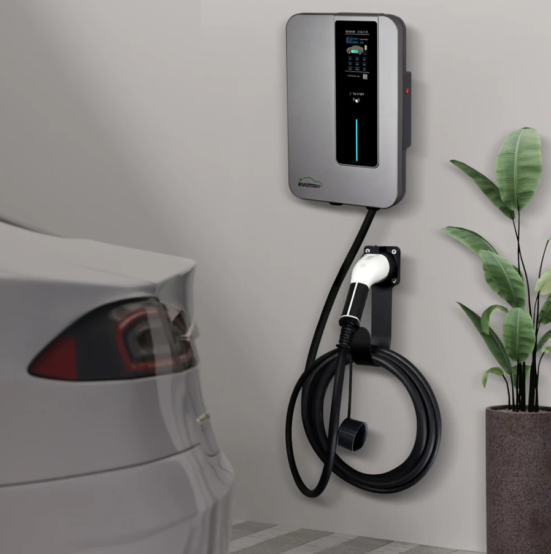
If you finance through Geely Finance specifically, you get a notable bonus: a free home wallbox charger, a R7,500 charge card, and an emergency charger included with your finance agreement. For an EV buyer, that wallbox alone is worth R10,000–R15,000. That's a significant part of your ownership costs effectively subsidised.
💡 Factor in the full package
When comparing finance options, factor in the value of what comes with each deal. A wallbox charger from Geely Finance changes your net cost significantly. Always compare total value, not just the monthly instalment figure on the quote.
🔧 Plan your purchase
Use the free calculators on LetsChargeSA to understand what your EV will cost to run before deciding how to pay for it — because your monthly charging saving is part of the affordability equation too.
📌 Disclaimer: Finance figures used in this article are indicative estimates only, calculated for illustration purposes using approximate interest rates based on the SARB prime lending rate as of June 2026. Actual instalments, balloon percentages, GFV values, and interest rates will differ based on your individual credit profile, deposit, term, and the bank's or dealer's specific offer. Geely Finance GFV terms and conditions apply — verify directly with Geely Finance before committing. I am not a financial adviser. This article is for educational purposes only. | ChargoEV / LetsChargeSA · June 2026