EV Insurance in South Africa: Why It Costs More and How to Get the Best Deal
Insurance is one of the costs most first-time EV buyers don't fully plan for. Here's why EVs cost more to insure, what your policy must actually cover, and the smartest way to get competing quotes.
You've picked the car. You've sorted the finance. Now there's one more thing most new EV buyers underestimate: insurance.
Whether you buy your EV in cash or finance it, insurance is non-negotiable. If you're financing, your bank will require comprehensive cover as a condition of the loan. But even if you're buying cash, comprehensive car insurance protects what is almost certainly one of your most valuable possessions.
Here's the thing though — EV insurance in South Africa costs more than insuring an equivalent petrol car. And there are specific reasons for that. Once you understand those reasons, you'll know exactly what to ask when comparing quotes — and you won't get caught off-guard by a higher premium than you expected.
⚠️ Why does EV insurance cost more?
Insurance isn't expensive for EVs because insurers are greedy. It's because the actual risk and cost of something going wrong is genuinely higher for an EV than a petrol car. Here's a breakdown of the main reasons:
The battery is the most valuable component in an EV — and one of the most costly to repair or replace if damaged. EV batteries use lithium-ion cells with expensive materials including nickel, cobalt, and manganese. A damaged battery pack can run to hundreds of thousands of rand. Insurers price this risk into your premium.
EVs require specialist technicians with specific training and equipment. There are far fewer EV-qualified repair centres in South Africa than petrol car repair shops. This scarcity drives up repair costs and prolongs repair times — both factors that increase an insurer's risk exposure. Research from Thatcham Research found EVs take on average 14% longer to repair than equivalent ICE vehicles.
Even setting the battery aside, EV repairs are around 25% more expensive on average than petrol car repairs, according to Thatcham Research data. Proprietary parts, software diagnostics, and specialist labour all add to the cost. Insurers see a higher average claim cost — so they charge higher premiums.
The insurance industry works on historical data to set premiums accurately. Because EVs are new in the South African market, insurers don't yet have as much local actuarial data on claim frequency, repair costs, and depreciation patterns. When insurers are uncertain, they charge more — a risk premium for the unknown. This will improve as EVs become more common and data builds up.
EVs generally cost more to buy than comparable petrol cars — even at the affordable end of the market. A higher purchase price means the insurer pays more in the event of a write-off. That increased exposure is reflected in your monthly premium.
📋 What an EV insurance policy must cover — questions to ask
Not all comprehensive policies are created equal when it comes to electric vehicles. Before you accept any quote, ask these specific questions:
- 🔋 Does the policy cover the battery specifically? Battery damage from an accident, theft, or other insured event should be included. Some policies treat the battery as a standard component; others require an add-on. Know exactly what you're getting.
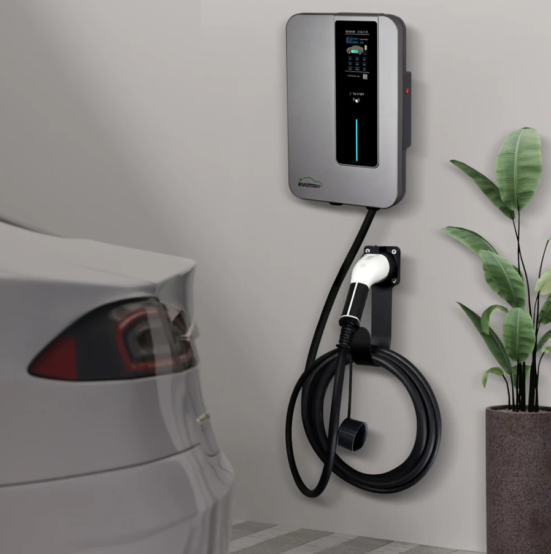
- 🔌 Is your home wall box charger covered? If you've installed a permanent wall box charger at home (which we covered in our first guide), it should be covered under your building or home contents insurance. Ask whether your car insurer also covers the charging cable and portable EVSE.
- 🚛 Does roadside assistance include EV-specific cover? Standard roadside assistance was designed for petrol cars. An EV that runs flat can't be topped up from a jerry can. Your roadside plan must cover towing to the nearest charging point or dealer — not just a tow to any garage.
- 🔧 Does the insurer have access to EV-qualified panel beaters? Ask directly: "If I bring my EV in for a claim, where will it be repaired and do those repairers have EV-specific training?" A good insurer will have a clear answer.
- 📉 How does the policy handle EV depreciation? EVs may depreciate differently from petrol cars — potentially faster in the early years as the market matures and new models arrive. Ask if the insurer adjusts the insured value annually, and whether you can specify a retail value.
- 💻 Does the policy cover software-related issues? Modern EVs rely heavily on software. Some policies are starting to offer protection against EV-specific risks like software faults affecting charging or driving. Ask if this is included or available as an add-on.
💰 How to compare EV insurance quotes in South Africa
The single most important thing you can do is compare multiple quotes. The difference between the cheapest and most expensive insurer for the same car and same driver can be hundreds of rand per month. Shopping around takes 30 minutes and could save you thousands per year.
The platforms we recommend
📊 What does EV insurance actually cost?
It's impossible to give one number — your premium depends on your driving history, age, location, excess choice, and the specific car. But here's a realistic picture for South African EV owners in 2026:
* These are indicative ranges only. Your actual premium will vary based on your risk profile, location, excess, and the specific insurer. Always get a personalised quote.
Install a tracker — many insurers offer discounts (5–15%) for vehicles with a GPS tracking device. Given that EVs can be targeted for their batteries and electronics, a tracker is worth having anyway.
Drive less — insurers like Naked and Pineapple offer usage-based options. If you're a low-mileage driver, you could save meaningfully.
Don't claim small amounts — frequent small claims increase your risk profile and can raise your premium at renewal. Consider absorbing minor repairs yourself to protect your no-claims history.
🏠 Don't forget your home charger and wall box
If you've installed a 7kW wall box at home, it becomes part of your property's electrical installation. It's typically covered as a building improvement — but only if it was installed with a valid Certificate of Compliance (CoC). Without a CoC, your building insurer can refuse to cover any electrical fault claim.
✅ The bottom line on EV insurance
| What to do | Why it matters |
|---|---|
| ✅ Get at least 3 quotes (use Hippo) | Premiums vary by hundreds of rand for the same car |
| ✅ Ask about battery cover specifically | Not all policies cover the battery the same way |
| ✅ Confirm EV-qualified repair centres | Saves delays and disputes at claim time |
| ✅ Check that roadside assistance covers EVs | A flat battery isn't like running out of petrol |
| ✅ Tell your home insurer about your wall box | Without this you may not be covered for charger-related faults |
| ✅ Consider a tracker for lower premiums | 5–15% discount with most major SA insurers |
🔧 Tools and next steps
Use our free EV calculators at LetsChargeSA to understand your total monthly ownership cost — because insurance is just one line in that picture:
📌 Disclaimer: Insurance cost ranges are indicative and based on publicly available market data for South Africa, June 2026. Actual premiums depend on your individual risk profile and insurer. Repair cost data (25% higher repairs, 14% longer repair times for EVs) referenced from Thatcham Research. ChargoEV has approached Hippo for a potential future sponsorship; none of the content in this series is currently sponsored. All platform recommendations are editorial and independent. This article is for educational purposes only. | ChargoEV / LetsChargeSA · June 2026